
Music & Sound Design
Highlights include my musical concept album, Finale: The Last Act; an original interactive piece entitled A Conversation with the Creek; and a Dolby Atmos surround sound mix of my original song, Payphone to the Past.
About Finale: The Last Act
This show was born out of a nightmare. Quite literally, in fact. The premise for this show came to me in a dream in April of 2024 while I was on a short trip to visit friends in NYC. The idea was that there was a rogue band of "theatricals" or theater-makers on the run from an oppressive government scientist who ran Frankenstein-Esque experiments on artists. This group of friends was then caught and forced to watch each other tortured in the name of "the method". I awoke terrified and immediately wrote it down, thinking, "Wouldn't that be a good idea for a psychological-horror play?"
Fast-forward to December of that year, A Paracosmic Odyssey had just wrapped up its premiere run, and I was in a bit of a creative rut in terms of projects to pursue next. I had a half-baked idea of writing some sort of punk-rock apocalypse musical, pulling inspiration from some of my favorite bands, Fall Out Boy, My Chemical Romance, Twenty-One Pilots, and Daisy Grenade. While in talks with some of my professors, I decided to revive the idea of "world where theater is outlawed" and combine it with the pop-punk apocalypse world I loved so much. The idea of Finale was beginning to take shape, but the structure was still missing.
January-March, I didn't get much writing done on the show itself, but I was always thinking about it. I would be sitting in English class doodling costume ideas for the characters in my notebook. In these early stages I had two best-friend characters of Joan and Eli, whom I wanted to represent Joan of Arc and Elijah the Prophet respectively. At this time, I was also playing around with some form of manifestation of the Four Horsemen of the Apocalypse as supporting characters portrayed through metaphor.
The Director is a character who I knew I always wanted to have, but he didn't really take shape until February, when Donald Trump took over the Kennedy Center in Washington D.C. I combined the scheming, slimy politician with the worst traits I've encountered while working with theatrical directors: a stifling need for control and unimpeded arrogance. I had my villain.
But how to take the conflict I saw playing out in real-time and apply it to the plot of this musical? In March, I wrote a 10-minute one act that would ultimately become the scene of Joan's final confrontation with The Director. While it didn't stand on its own very well, I got much needed feedback about the tone and relationships of the characters needed to drive the story forward.
April-June 2025 I was able to really start tackling the world of the story. As part of the Advanced Playwriting Class I got to experiment with new media and trans media. I built a website for a fake news provider reporting on the initial collapse of the country seen in Finale, using audio performances from some of my friends and family. the character of Margaret was born at this time, out of the need for the story to have some kind of narrator.
After creating the website, I finally began writing the first draft. My original document was only about 39 pages, half of what it is now. Most of the scenes were unwritten, but I had laid out the structure of all the scenes and where I wanted the musical numbers to go. It was in this draft that we first meet Annie, Hugo, and Ira as a painter, clown, and dancer. Instead of being best friends, Eli and Joan were changed to siblings. I had originally wanted to portray the connection that two people can have without it being seen as romantic, but literally everyone who read the early stages of the draft thought they were in love, so I decided to change it.
The second draft came at the end of June, and while I had gotten farther, it still wasn't finished. At this stage I had Annie and Joan's stories running parallel to each other, and I created a Mom character for Annie to explore the depths of abusive parent/child relationships. The page count soared to 92, and I felt like I was in a really good spot.
Then came the breakdown. I hated the plot; I hated the strong ties to the real world. I hated the pacing. After having a major crisis and venting about it to my friends, I did what I always do: I opened up my computer and kept writing. In draft 3, I really leaned into the themes of dreams and prophecy, giving Joan these mystical powers to reach out their consciousness across time to see the past and the future. I combined their character with Annie, and Mom with Margaret. Having less characters allowed me to explore and strengthen their relationships more. Hugo and Ira became an integral part of the story. I also took away some of the references to today's political climate and made the settings vaguer. The whole show takes place in some sort of theater, somewhere, in a world where art is no longer allowed. In addition, the timeline went from the course of a few months, to a flashback to 8 years ago, to two days. I finished the draft in August of 2025 and moved on to writing the songs.
In October 2025, I held auditions and cast all the roles for the concept album. Over the course of the next nine weeks, I rehearsed with my cast and recorded everyone's vocals. I took on the work of composing almost all the songs after my musician friends were unable to. (Shoutout to April and James) By the end of November, almost all the songs were finished being mixed and mastered, and the concept album was set to release in December.
Looking back on this process, it seems more important than ever to not restrict the pursuit of, or access to, art. Call me selfish, but something that humans did for fun for thousands of years shouldn't suddenly be something that you can only do if you're "good" at it. In our modern capitalistic society, you're only valued if you're producing some commodity that can be traded. As I find myself finishing up college, the path ahead becomes clearer. If I cannot find performance opportunities, I will make them. Not only for myself, but for others. It is just a matter of where, and when. We are the how.
DEVELOPED BY DUMASTAR

Meet the Cast

Gwyneth Lincoln
Joan
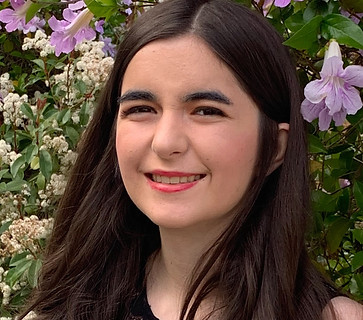
Grace Smith
Annie

Sammy Gore
Hugo

Daphne Reilly
The Director

Lucy Nosbisch
Operative/Theatrical

Lily Ammon
Operative/Theatrical
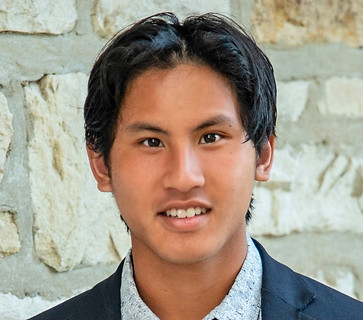
Ryan Jan
Eli
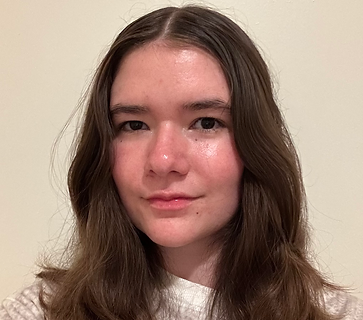
Lauren Busche
Ira

April Clark
Margaret
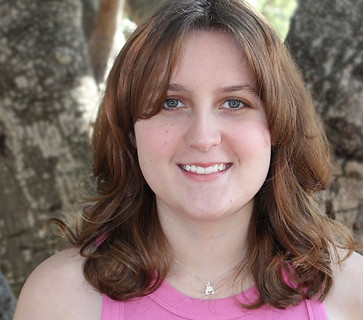
Zoey Hersey
Operative/Theatrical

Arabela Damarillo
Operative/Theatrical

Piratte
Operative/Theatrical
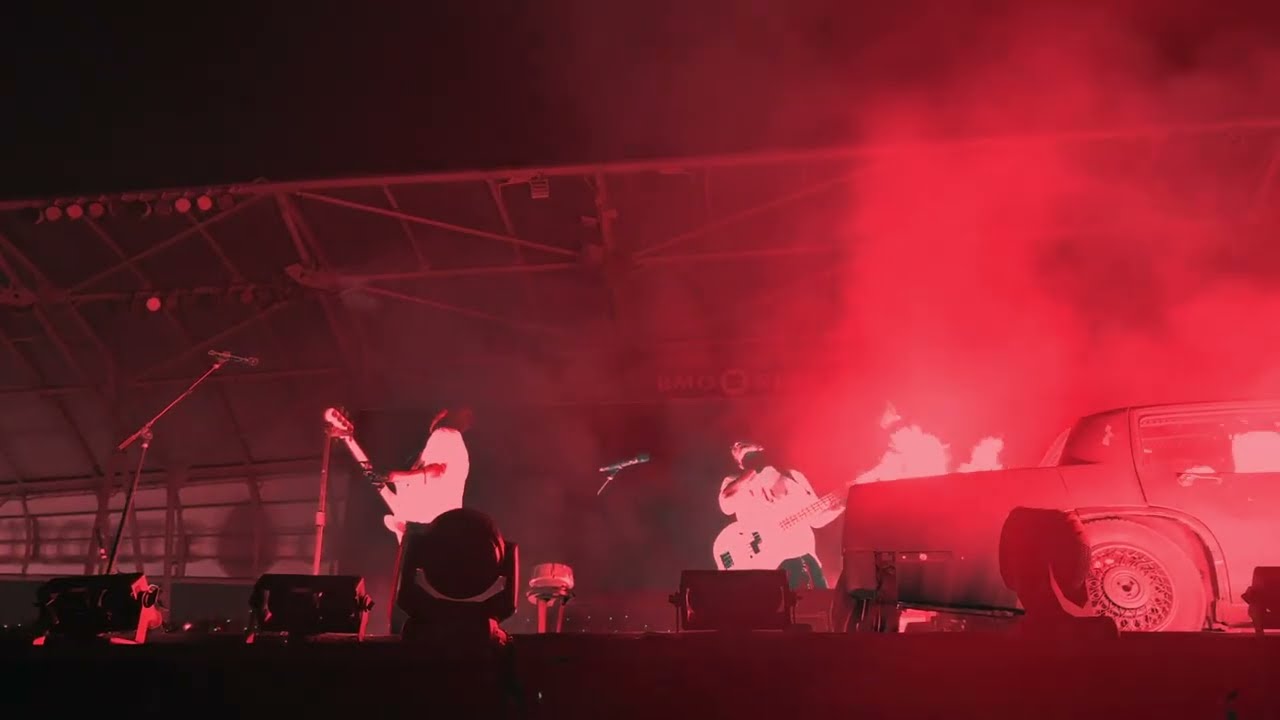
Finale Teaser Video
About A Conversation with the Creek
The inspiration for A Conversation with the Creek came to me during a soundwalk up the Poly Canyon trail. I noticed that as the mechanical noises of Cal Poly fell away, the sound of the wind in the trees and the rushing water of the creek remained. With this piece, I wanted to convey the power and unpredictability of water; from tranquil ripples on a pond, to violent storms and tempest-tossed waves. Feelings of righteousness and quiet rage swirl and eddy with the music. I drew from Greek mythology and fantasy literature to create characters and a setting of a world not quite our own. With the voice talents of Lucy Nosbisch (Marine Biology), MIDI strings, a sampler instrument of the creek, more ambient creek noise (all recorded via contact mic in a plastic bag), and lots of echo, delay, and reverb- this is; A Conversation with the Creek.
About Payphone to the Past
Have you ever been having just a horrible day, and wished you could get advice from a future version of yourself? Or maybe you were looking back at old memories, and wished you could just reach through the phone and give yourself a hug. Payphone to the Past is exactly that. I took a melody I had recorded from four years ago, freshman year, and gave it new life and a spatial mix. The lyrics remained unchanged, but I added vocal humming that swirls around the listener as the main voice calls out. A phone pickup can be heard bookending the piece. Along with the tape effects on the ‘past self’ voice, it gives the overall impression that everything is coming through the magical distorted speaker of an old payphone. My Max For Live device adds harmonies to the bass guitar line, which balances the treble piano. I also added samples from the creek by my childhood house and birds singing to give the piece a nostalgic, textural quality. Payphone to the Past is my way of reaching back through the years and enveloping myself in a warm hug. Memories are so fleeting, and even when they look back on them fondly they can seem fractured and fuzzy, slightly rose-tinted along the edges. That’s what makes the present so scary, the feeling that everything we experience will never be as sharp or clear as it is now. But that’s how life goes, and we live it in 4k HD, 48kHz detail.